Deutsch
 English
 Nederlands


Herzlichen GlückwunschAnna ZenzDeutsche Weinkönigin 2025
Ediger-Eller in der Calmont Region Heimatort von Anna Zenz
Bild SWR
Anna Zenz Deutsche Weinmajestät 2025 mit ihren Prinzessinnen Katja Simon - Hessische Bergstraße Emma Meinhard - Saale-Unstrut
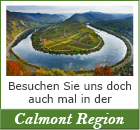
Mitten im Herzen der Calmont Region, eingebettet in eine reizvolle Flusslandschaft und umgeben von einem grandiosen Landschaftsbild mit Weinbergen, Wiesen und Wäldern liegt Ediger-Eller.
Im Jahre 2010 wurde unser Dorf als einer der zukunftsfähigsten Orte Deutschlands mit einer Goldmedaille auf Bundesebene ausgezeichnet.
2014 vertrat die Calmont Region, zu der neben Ediger-Eller auch die Dörfer Bremm und Neef gehören, das Land Rheinland-Pfalz beim Europäischen Dorferneuerungswettbewerb.
Die Calmont-Region vertrat Rheinland-Pfalz bravourös und errang einen exzellenten 2. Platz in einem internationalen Wettbewerb!!
Vergangenheit und Moderne treffen hier zusammen und bilden, gepaart mit kultureller Vielfalt und Gastlichkeit, eine einzigartige Symbiose. DAS WOHL UNSERER GÄSTE LIEGT UNS AM HERZEN – IN EINER VON DER SONNE VERWÖHNTEN REGION!
WIR FREUEN UNS AUF SIE!
|
Urlaub und Freizeit
Sie verbringen Ihre schönsten Tage des Jahres in einem wahren Urlaubsparadies:
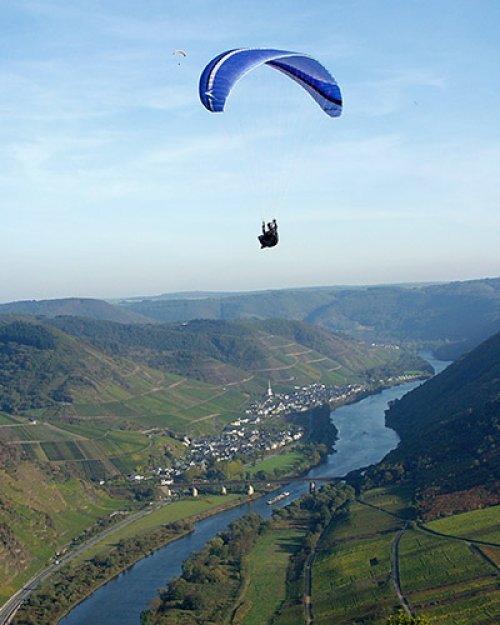
Kanuwandern, abwechslungsreiche Radtouren; Schifffahrten, Wandern, Golfen auf dem Hochplateau von Ediger-Eller oder Paragliding durch die Lüfte des Calmonts: dies alles verspricht einen erlebnisreichen Urlaub.
Wohnmobilreisende finden Stellplätze am idyllischen Moselufer und Campingfreunde können ihre Zelte auf dem nahen Campingplatz errichten.
Mit dem Gästeticket fahren Sie mit Bus und Bahn im gesamten Bereich des VRM kostenfrei.
Bei unseren Gastgebern werden Service und Qualität stets großgeschrieben.
Das Angebot von einfachen bis hin zu luxeriösen Unterkünften ist vielfältig und wird jedem Anspruch gerecht.
|
Wein & Kulinarisches
Ediger-Eller ist berühmt für seine außergewöhnlichen Weine.
Besonders der elegante Riesling ist bei Weinkennern weit über die Grenzen des Moseltales hinaus bekannt.
Hier gedeiht ein einzigartiger Wein, in dem das Terroir der Steillagen seine Seele entfaltet.
Aber auch die vielen anderen hervorragenden Weinsorten versprechen dem Kenner einen Genuss der Extraklasse.
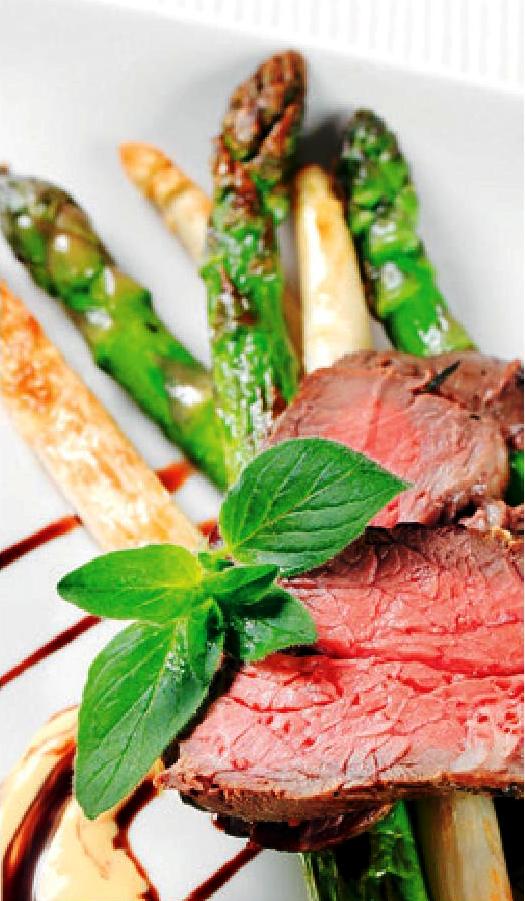
Kombinieren Sie diese exzellenten Weine mit kulinarischen Köstlichkeiten aus regionalen Produkten, so erleben Sie den unvergleichlichen Geschmack einer ganzen Region.
Eine Vielzahl an Gastronomiebetrieben, vom Imbiss bis hin zum Feinschmecker-Restaurant, offerieren Ihnen das Passende für jeden Geschmack.
|
Kultur & Geschichte
Bei einem Rundgang durch den historischen Ortskern von Ediger-Eller werden Sie beeindruckt sein:
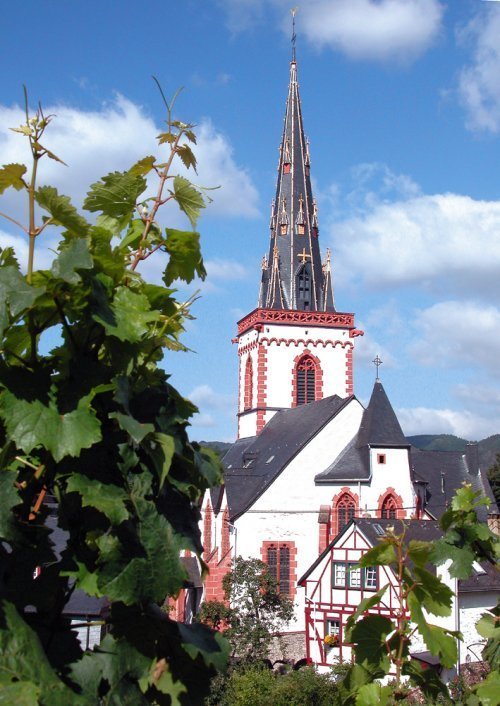
imposante, ehemalige Kloster- und Adelshöfe, prächtiges Fachwerk, zwei künstlerisch bedeutende Kirchen sowie eine noch weitgehend erhaltene Ringmauer zeugen von großer historischer Bedeutung.
Wundervolle sakrale Kunstgegenstände, Figuren, wertvolle Gemälde oder das weltberühmte Steinrelief "Christus in der Kelter" sind für jeden Kunstliebhaber ein Genuss.
Viele der malerischen Fachwerkbauten sind künstlerisch gestaltet und stehen heute unter Denkmalschutz.
Lassen Sie sich die Zeugnisse der Vergangenheit bei einer Ortsführung anschaulich erklären.
|